
What Is Coronary Angioplasty?
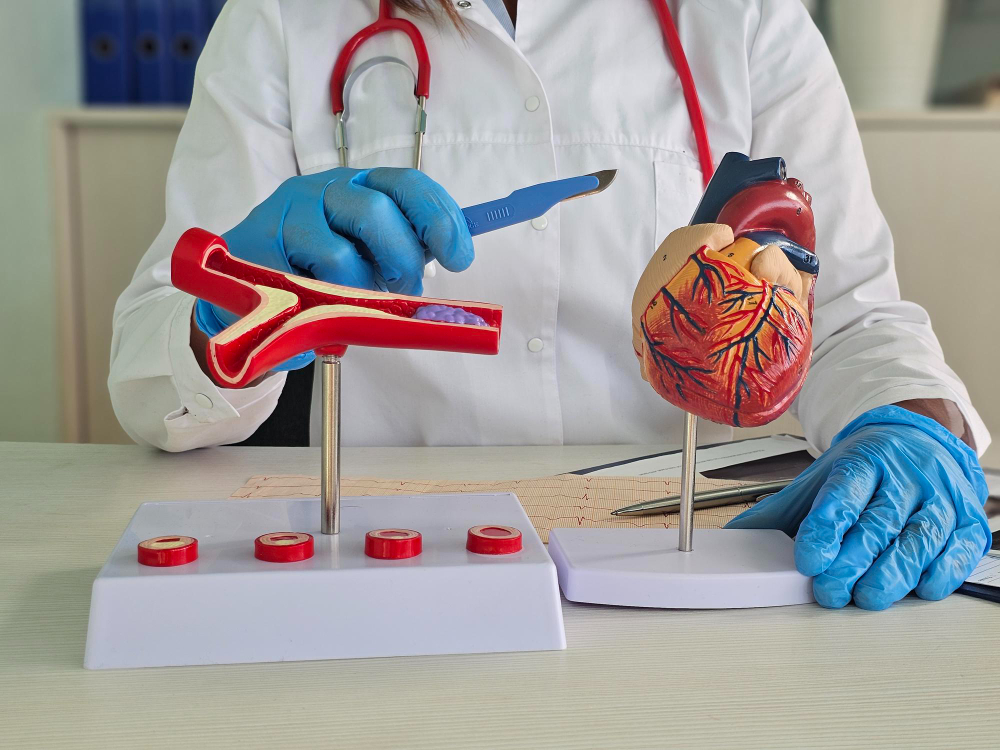
Coronary angioplasty is a medical procedure that opens blocked or narrowed heart arteries. Doctors use a thin tube called a catheter to reach the heart. The main goal is to improve blood flow. Many people know this as a common heart treatment. In this guide, we will explain the types of coronary angioplasty and how they help patients.
Why Is Coronary Angioplasty Needed?
Sometimes, fatty deposits build up inside heart arteries. This can slow or block blood flow. As a result, you may feel chest pain or even have a heart attack. Coronary angioplasty helps restore blood flow. For many, it is a life-saving procedure. Doctors may suggest it if medicines are not enough or if symptoms are severe.
Main Types of Coronary Angioplasty
There are several types of coronary angioplasty procedures. Each type uses special tools or methods to open the artery. Let’s look at the main types below.
Balloon Angioplasty (Plain Old Balloon Angioplasty, POBA)
First, balloon angioplasty is the simplest form. Doctors insert a small balloon into the blocked artery. Then, they inflate the balloon to push the blockage aside. Afterward, the balloon is removed. This method is called Plain Old Balloon Angioplasty or POBA.
Stent Angioplasty (Bare Metal Stents, Drug-Eluting Stents)
Next, stent angioplasty is very common. Here, a tiny mesh tube called a stent is placed in the artery. The stent helps keep the artery open. There are two main types:
Many patients ask about balloon angioplasty vs stent. Stents usually lower the chance of the artery closing again.
Rotational Atherectomy (Rotablation)
Sometimes, blockages are very hard or have a lot of calcium. In these cases, doctors may use rotational atherectomy, also called rotablation. A tiny rotating device breaks up the hard plaque. Then, the pieces are removed or pushed aside. This makes it easier to open the artery with a balloon or stent.
Cutting Balloon Angioplasty
Cutting balloon angioplasty uses a special balloon with tiny blades. When the balloon inflates, the blades make small cuts in the blockage. This helps open tough or scarred areas. Afterward, doctors may place a stent if needed.
Other Specialized Techniques
In some cases, doctors use other methods. These may include:
Doctors choose these techniques based on the type and location of the blockage.
How Doctors Choose the Right Type
Doctors look at many factors before choosing a coronary angioplasty procedure. For example, they consider:
Because every patient is different, your doctor will explain the best option for you. In some places, like coronary angioplasty in New York or other cities, advanced options may be available.
Benefits and Risks of Each Type
Each type of coronary angioplasty has its own benefits and risks. Let’s review them:
Most people do well after angioplasty. However, some may need more treatment later. According to the CDC, serious problems are rare but can include bleeding or heart attack.
Recovery and Aftercare Tips
After your procedure, proper care is important. Here are some helpful angioplasty recovery tips:
With good care, most people return to daily life quickly. Still, always follow your doctor’s advice for the best results.
Consult a cardiologist at Dr. Shoaib Mehboob‘s clinic to discuss which type of coronary angioplasty is best for you.