
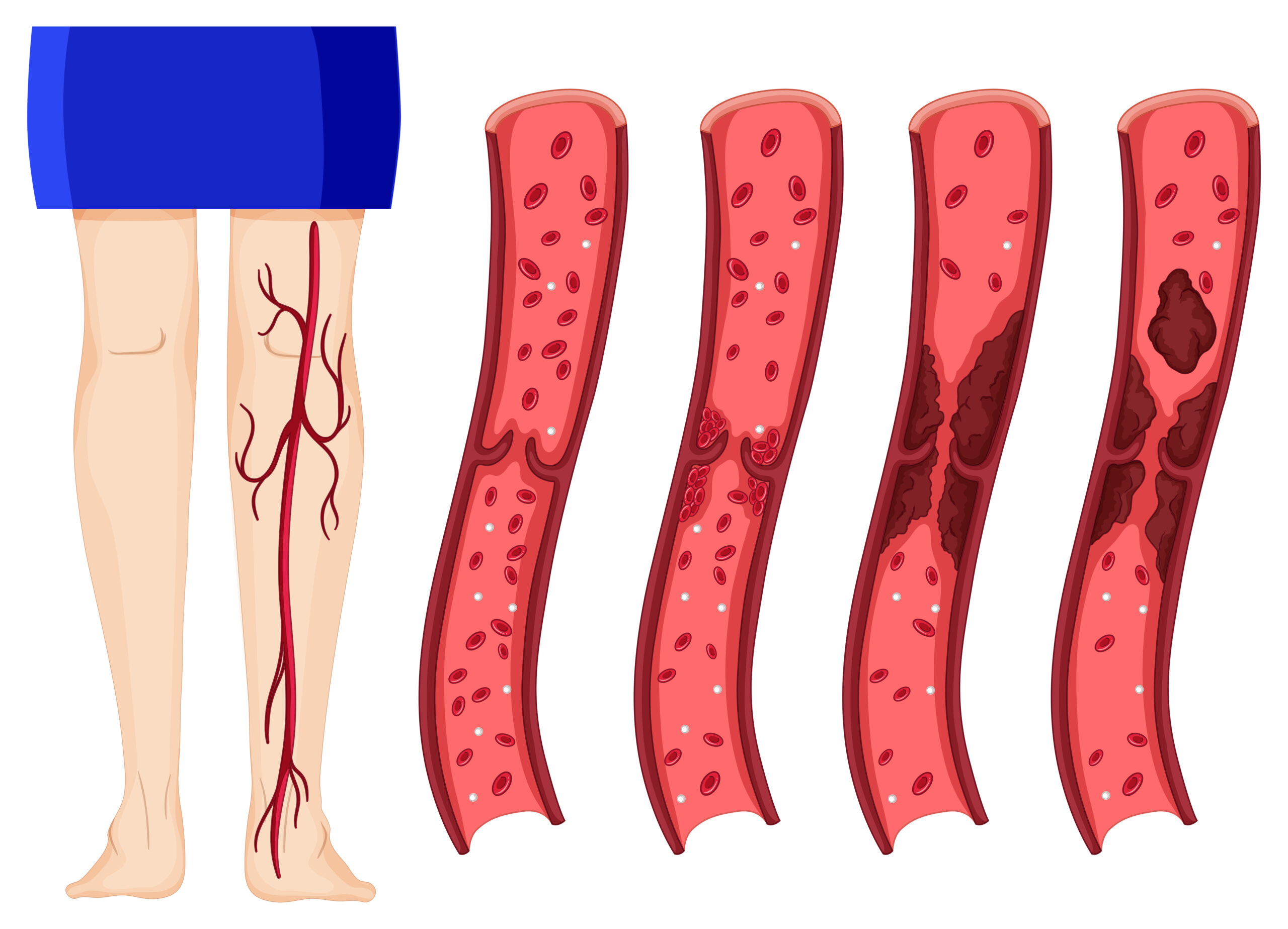
What is Deep Vein Thrombosis?
Deep vein thrombosis, or DVT, is a blood clot that forms in a deep vein. Most often, it happens in the legs. However, it can also occur in other parts of the body. DVT is a serious condition because the clot can break loose. Then, it may travel to the lungs and cause a blockage, known as a pulmonary embolism. This can be life-threatening. Therefore, knowing about deep vein thrombosis is important for everyone.
Symptoms of Deep Vein Thrombosis
Sometimes, DVT does not cause any symptoms. But often, people notice changes in their legs. Early detection can help prevent complications. Watch for these signs:
However, these symptoms can also be caused by other problems. So, it is important to see a doctor if you notice them.
Causes and Risk Factors
Deep vein thrombosis forms when blood flow slows down or changes. Many factors can increase your risk. For example, you may be at higher risk if you:
Because some risk factors can be changed, knowing them helps you take action.
Diagnosis Methods
Doctors use several tests to diagnose deep vein thrombosis. First, they will ask about your symptoms and medical history. Then, they may perform a physical exam. Common tests include:
Early diagnosis is key to preventing serious problems.
Treatment Options
Doctors treat deep vein thrombosis to stop the clot from growing. They also want to prevent new clots. Treatment options include:
Doctors choose the best treatment based on your health and the size of the clot.
Prevention Tips
There are many ways to lower your risk of deep vein thrombosis. For example, you can:
Because prevention is easier than treatment, these steps are important for everyone.
Lifestyle Guidance for Patients
If you have had deep vein thrombosis, you can still live a full life. However, you may need to make some changes. Here are some tips:
With the right care, you can lower your risk of future clots.
When to Seek Medical Help
Sometimes, deep vein thrombosis can lead to a medical emergency. You should seek help right away if you notice:
These may be signs of a blood clot in the lungs. Quick treatment at Mxalife Superspeciality Hospital can save your life.
Consult the specialists at Mxalife Superspeciality Hospital for personalised advice on deep vein thrombosis.