What is Dyslipidemia?
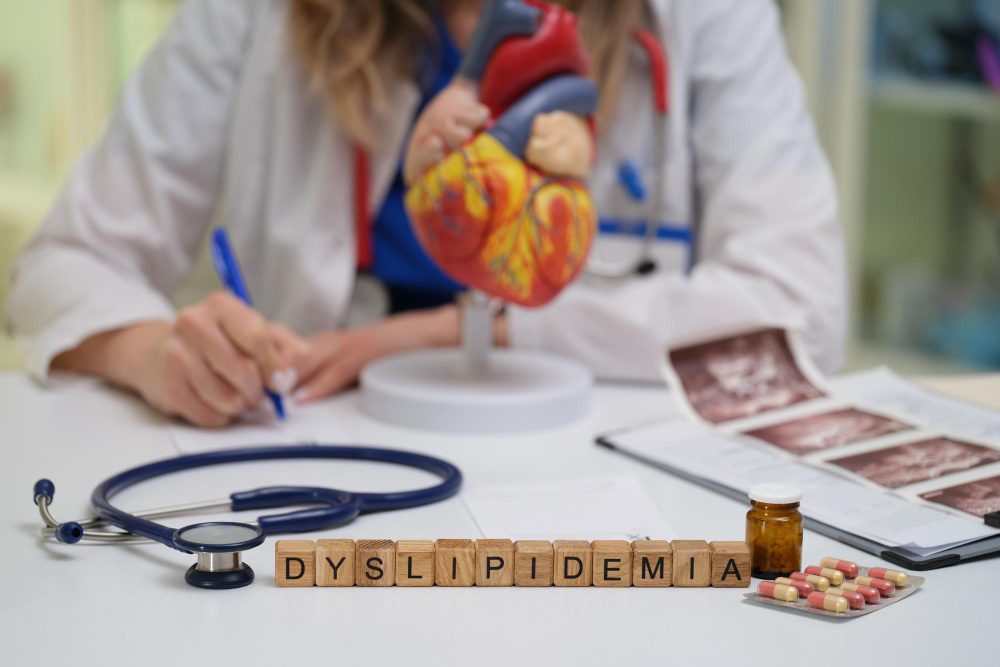
Dyslipidemia is a medical term for an unhealthy balance of fats in your blood. These fats include cholesterol and triglycerides. When these levels are too high or too low, it is called a lipid disorder. Often, this condition does not cause symptoms at first. However, it can raise your risk for heart disease and stroke. Cholesterol imbalance is a common problem worldwide. According to the World Health Organization (WHO), high cholesterol is a major risk factor for heart health problems. Understanding dyslipidemia can help you make better choices for your well-being.
Common Causes of Dyslipidemia
Many things can lead to dyslipidemia. Sometimes, it runs in families. Other times, lifestyle habits play a big role. For example, eating foods high in saturated fat can raise cholesterol. In addition, being overweight or not getting enough exercise can make it worse. Some health conditions, like diabetes or thyroid problems, can also cause lipid disorders. Certain medicines may affect your cholesterol levels as well.
Because many factors can cause dyslipidemia, it is important to know your risks.
Symptoms and Warning Signs
Usually, dyslipidemia does not cause any clear symptoms. Most people feel normal. However, over time, high cholesterol can harm your heart and blood vessels. Rarely, some people may notice fatty bumps under the skin. These are called xanthomas. In severe cases, you might have chest pain or shortness of breath. These signs can mean heart disease is present. Even if you feel fine, regular check-ups are important. Early detection can prevent serious problems.
How Dyslipidemia is Diagnosed
Doctors use a simple blood test to check for dyslipidemia. This test is called a lipid panel. It measures your total cholesterol, LDL (bad cholesterol), HDL (good cholesterol), and triglycerides. You may need to fast for several hours before the test. Afterward, your doctor will explain your results. If your levels are not healthy, you may need more tests or treatment. Regular screening is key, especially if you have risk factors or a family history of heart disease.
Treatment Options for Dyslipidemia
Treating dyslipidemia often starts with lifestyle changes. For some people, medicine is also needed. Your doctor will help you choose the best plan. The main goals are to lower bad cholesterol and raise good cholesterol. This helps protect your heart and blood vessels.
With the right treatment, many people can control their cholesterol imbalance and reduce their risk of heart problems.
Lifestyle Changes and Prevention Tips
Making healthy choices every day can prevent dyslipidemia or keep it under control. Even small changes can make a big difference. For example, adding more fruits and vegetables to your meals helps. In addition, choosing whole grains and lean proteins supports heart health. Staying active is important, too. Try walking, cycling, or swimming. If you smoke, quitting is one of the best things you can do for your heart. Also, limit alcohol and manage stress. These steps can help you avoid lipid disorders and protect your health.
When to See a Doctor
If you have a family history of high cholesterol or heart disease, talk to your doctor. Also, see a healthcare provider if you have risk factors like diabetes or obesity. Even if you feel healthy, regular blood tests are important. Early diagnosis can prevent serious problems later. If you notice chest pain, shortness of breath, or sudden weakness, seek medical help right away. These could be signs of heart trouble.
Conclusion
Dyslipidemia is a common but serious health issue. It often has no symptoms, but it can lead to heart disease if not managed. With healthy lifestyle choices and guided care at Mxalife Superspeciality Hospital , cholesterol levels can be effectively controlled. Consult the specialists at Mxalife Superspeciality Hospital for personalised advice on managing dyslipidemia.